2026-10-11 ·
Hail Damage vs. Normal Wear: How to Tell the Difference
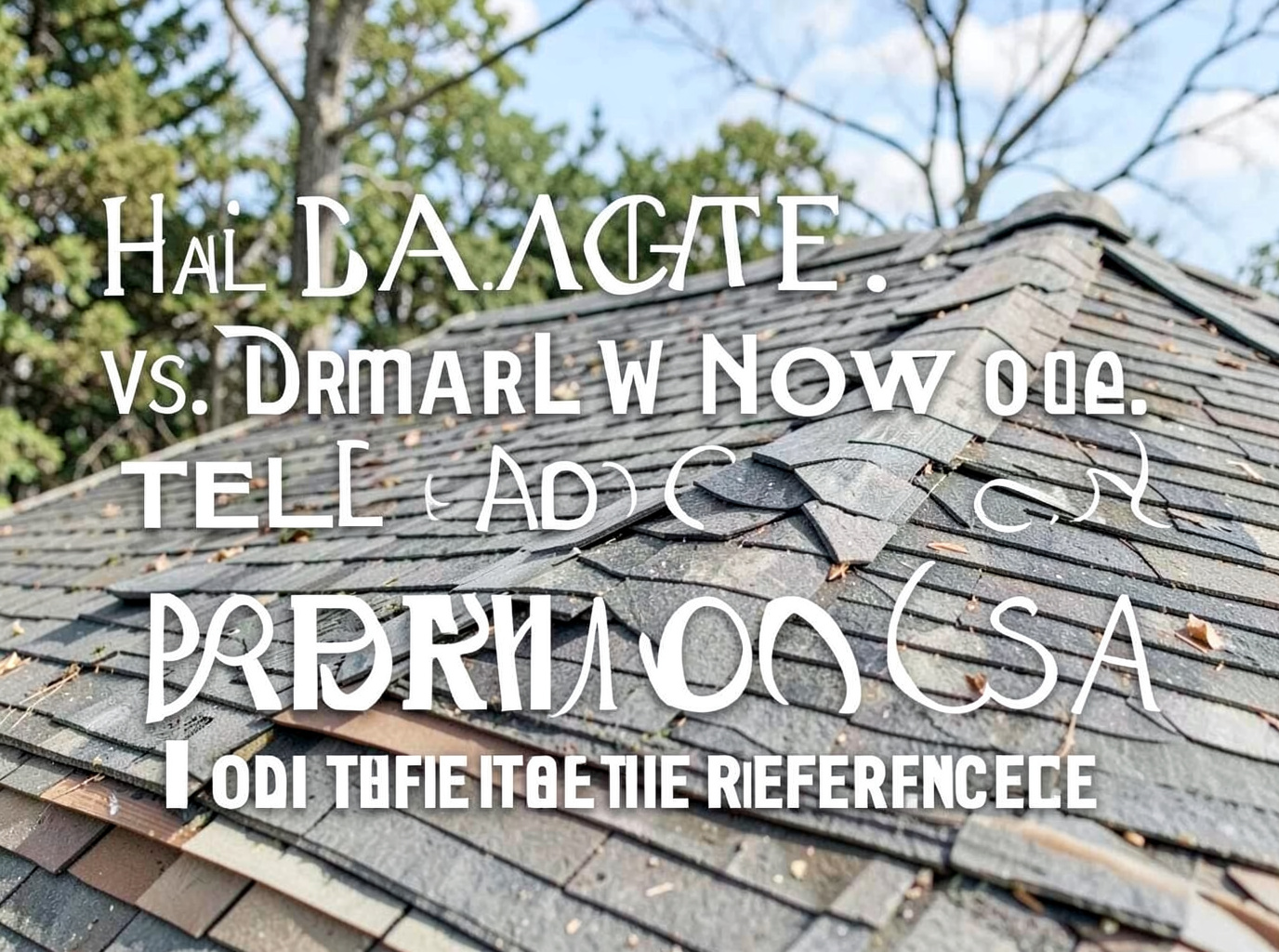
Hail damage appears as scattered circular dents 1/4 to 1 inch across with missing granules in concentrated patches, whereas normal wear develops as uniform cracking, curling edges, and thinning across the entire roof surface after 15–20 years on Peoria County homes. These patterns hold true whether the property sits near the Peoria Riverfront or on the slopes of the West Bluff.
Spotting Hail Impact Marks on Shingles
Walk the roof after a storm and look for bruised spots where the shingle surface has been crushed inward without the surrounding material showing age-related brittleness. In neighborhoods like Downtown Peoria and University East, older asphalt roofs from the 1970s and 1980s often reveal these dents as lighter-colored circles because the protective granules have been knocked loose in one event. Measure the affected area in square feet; hail clusters usually hit south- and west-facing slopes hardest due to prevailing storm tracks. Check metal vents and flashing for matching dents, which normal wear rarely produces. Homeowners in North Valley and East Peoria frequently notice these marks first during spring inspections after March or April storms.
Reading Granule Loss and Surface Erosion
Normal wear sheds granules evenly across the roof as shingles age, leaving a smooth, bald appearance that worsens during Peoria's warm summers when UV exposure accelerates breakdown. Hail damage instead creates random bald patches surrounded by intact granules, often accompanied by small fractures radiating from the impact center. On homes in the East Bluff and Moss-Bradley areas, where many roofs are 20–30 years old, this difference becomes clear when comparing attic-side water stains against exterior granule piles in gutters. Normal erosion also produces widespread cracking along the shingle tabs from repeated freeze-thaw cycles in the county's cold winters, unlike the isolated bruising left by hail.
How Local Climate and Housing Stock Affect Both Issues
Peoria's humid continental climate brings cold winters that promote ice damming along eaves and warm, humid summers that speed shingle oxidation, both contributing to predictable normal wear on the region's older housing stock. Hail events arrive less often but hit harder, especially on exposed roofs near the Peoria Civic Center or Bradley University where wind funnels amplify damage. Properties in Pekin and Bloomington face similar patterns, though Peoria County roofs near the river experience faster granule loss from higher moisture levels. These conditions make it essential to inspect after every significant storm rather than waiting for leaks to appear in areas like Averyville or Grandview Drive.
Practical Next Steps After Identifying the Cause
Document the damage with dated photos from multiple angles and note any interior leaks before contacting a local roofer. If hail is confirmed, review coverage under your policy and schedule a full inspection focused on underlayment and decking integrity. For normal wear, plan phased repairs or replacement based on the roof's remaining lifespan. Readers can review After the Storm: 8 Steps Before You Call a Roofer for documentation tips and the Peoria Seasonal Roof Maintenance Checklist (Spring/Fall) to track ongoing condition. When hail is the culprit, Hail Damage Roof Repair addresses the specific repairs needed in Peoria County without unnecessary full replacements.